

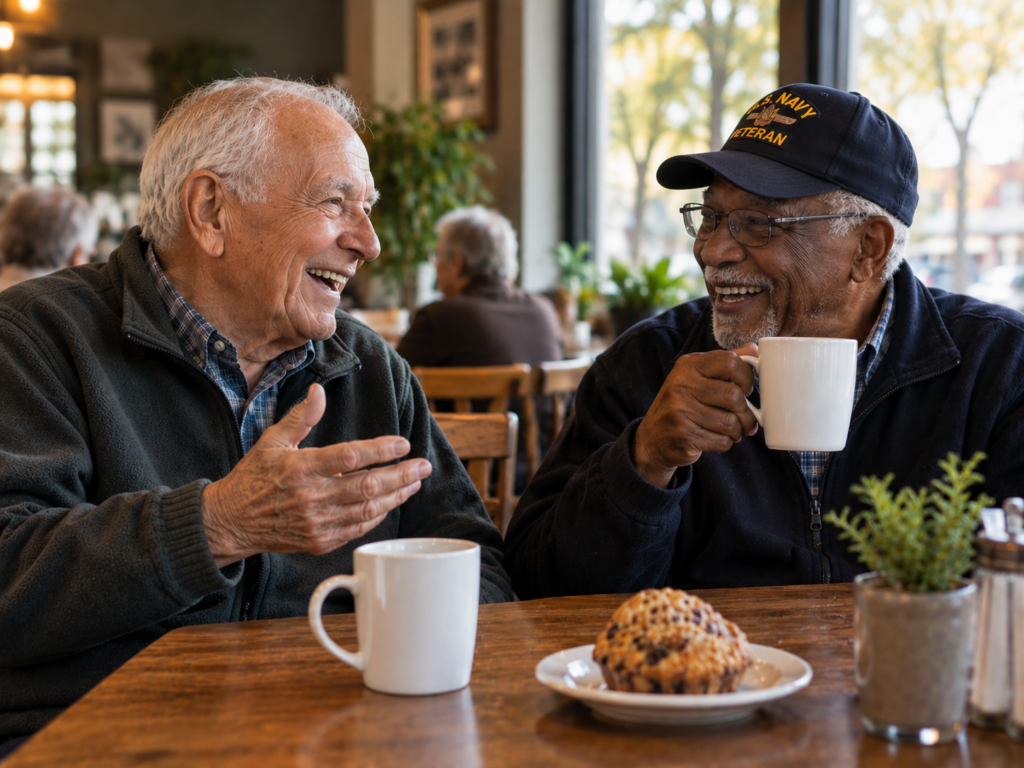
Years ago, I cared for a man whose medical problems were complicated but whose greatest suffering wasn’t visible on an X-ray or laboratory report. His wife had died, his children lived far away, and after retirement many of the friendships that had once filled his days had gradually disappeared. When I asked him what was hardest about being ill, I expected him to mention pain or uncertainty, but instead he looked at me and said, “Doctor, some days no one knows whether I wake up in the morning.” I have never forgotten that sentence, because it reminded me that we can treat a person’s disease perfectly and still fail to recognize what is hurting the human being who has it. As physicians, we are trained to ask about symptoms, medications, appetite, and sleep, but perhaps we also need to ask, “Who knows you are here, and who would miss you if you weren’t?”
Science has given us increasing reason to take that question seriously, because persistent loneliness and social isolation have been associated with poorer physical and emotional health, including greater risks involving cardiovascular health, depression, cognitive decline, and premature death. That does not mean that loneliness directly causes every illness, nor does it mean that someone who enjoys living alone is unhealthy; some of the most peaceful people I know treasure solitude. The difference is whether we feel connected, valued, and known. Human beings evolved in relationship with one another, and when we experience prolonged isolation as threatening or painful, the body can respond with changes in stress physiology, sleep, behavior, and other processes that influence well-being. In that sense, companionship isn’t merely a pleasant addition to life. Feeling that we belong somewhere may be one of the signals that tells the nervous system it does not have to face the world entirely by itself.
I learned from my patients that connection doesn’t always require a crowded room or a large family, because sometimes one person who truly listens can change the emotional climate of a life. It might be a neighbor who knocks on the door, a friend who calls every Tuesday, a grandchild who asks to hear an old story, a support group where no explanation is necessary, or even the opportunity to care for an animal and be greeted each morning as though your arrival is the most important event of the day. We often talk about love as though it were something sentimental, but I have come to see love and belonging as necessities that help make us whole, especially when illness or loss has made our world smaller. Medicine can do extraordinary things for the body, but sometimes the prescription a lonely human being needs begins with something wonderfully simple: someone pulling up a chair, looking into their eyes, and letting them know, “You don’t have to go through this alone.”