

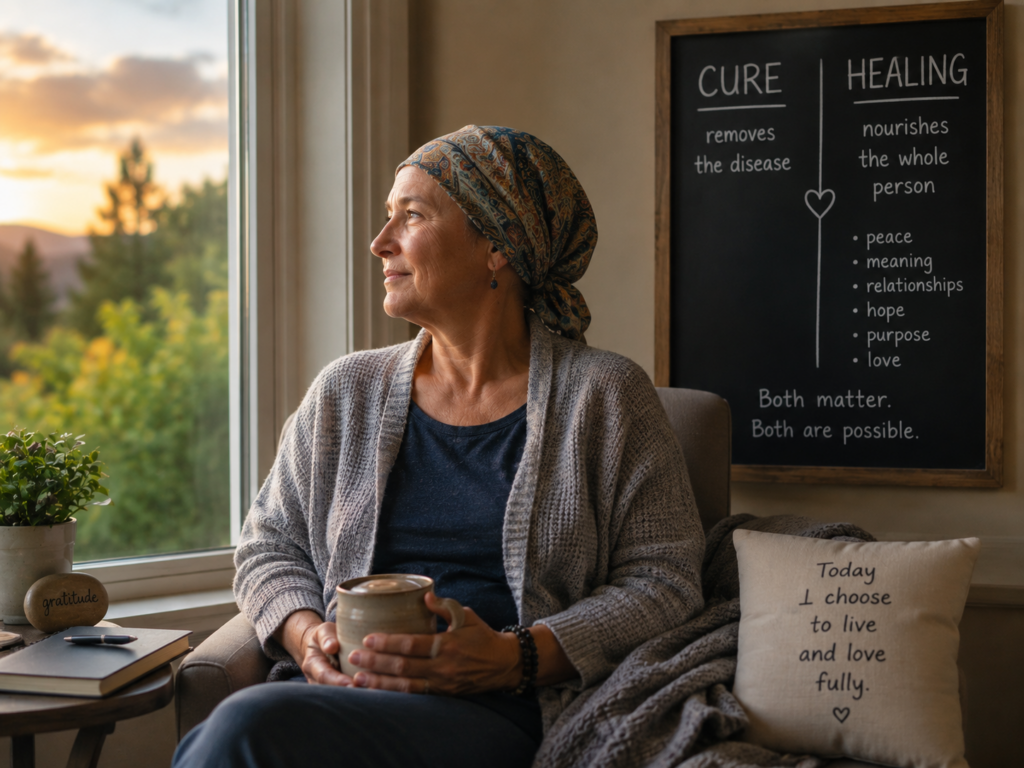
When I was a young surgeon, I thought I understood healing because I understood curing: find the disease, remove it when possible, repair what could be repaired, and send the patient home to recover. Then my patients began teaching me that the two words were not interchangeable. I remember sitting with a man whose cancer had progressed despite everything medicine could offer, and I expected our conversation to be filled with despair; instead, he told me that the illness had brought him closer to his wife, helped him reconcile with a son he had not spoken to in years, and awakened in him an appreciation for ordinary days that he had somehow missed while he was busy building a successful life. He looked at me and said, in effect, that he would certainly prefer not to have cancer, but he had never felt more alive or more certain about what mattered. His disease had not been cured, yet something within the man had clearly healed.
That experience was repeated in different forms throughout my years with patients, and it gradually changed the way I understood my role as a physician. Curing is directed toward disease, while healing is concerned with the whole person who has the disease, including the frightened child who may still live inside an adult, the relationships that have been neglected, the grief that has never been expressed, and the dreams that have been postponed until some imaginary “someday.” Sometimes healing accompanies a cure, and sometimes it does not, but it can still appear in forgiveness, acceptance, laughter, creativity, renewed purpose, and the decision to spend whatever time remains loving rather than merely worrying. None of this means that people should stop seeking good medical care or that an inner transformation can substitute for appropriate treatment; it simply means that medicine is not the only place where healing occurs.
Perhaps this distinction matters most when we reach circumstances we cannot control, because if we define healing only as the disappearance of disease, then anyone who remains ill may feel that he or she has somehow failed. I could never accept that. Some of the most deeply healed people I have known were living with illnesses medicine could not cure, yet they became more compassionate, more peaceful, more connected, and more fully themselves as they faced what life had given them. We cannot always choose whether we will be cured, but we can continue asking how we want to live, whom we need to forgive, what love we have left to give, and what unfinished part of ourselves is asking to come alive. A cure may give us more time, and for that we should be profoundly grateful, but healing teaches us what to do with the time we have.