

A diagnosis can arrive in a single conversation and then seem to take over every conversation that follows, until your calendar fills with appointments and people who once asked about your garden or your grandchildren begin asking only about your latest test results. Naming an illness can be helpful, sometimes enormously so, particularly when you have spent months wondering what is wrong, but that name cannot describe everything about the person who carries it. I would like your medical team to know what is happening in your body, and I would also like someone to remember what makes you laugh, whose company you enjoy, and what you would love to do on an afternoon without an appointment
Your medical chart may be very thick, but it still leaves out a great deal of your life. You may be frightened, exhausted, or grieving changes you never asked for, and those feelings deserve understanding; there is no requirement to rise above them before you can be recognized as a whole human being. The person who loves music, worries about a child, notices the birds, or enjoys a wonderfully terrible joke still deserves attention, even on days when illness demands most of yours.
When I began Exceptional Cancer Patients, our work included drawings, dreams, images, and feelings, giving people ways to express themselves beyond the language of medical reports. A drawing offers room for something a laboratory result cannot tell us: what matters to the person whose blood was drawn. You might explore that same territory by asking yourself what you miss, what still interests you, or what you wish people would ask about besides your health.
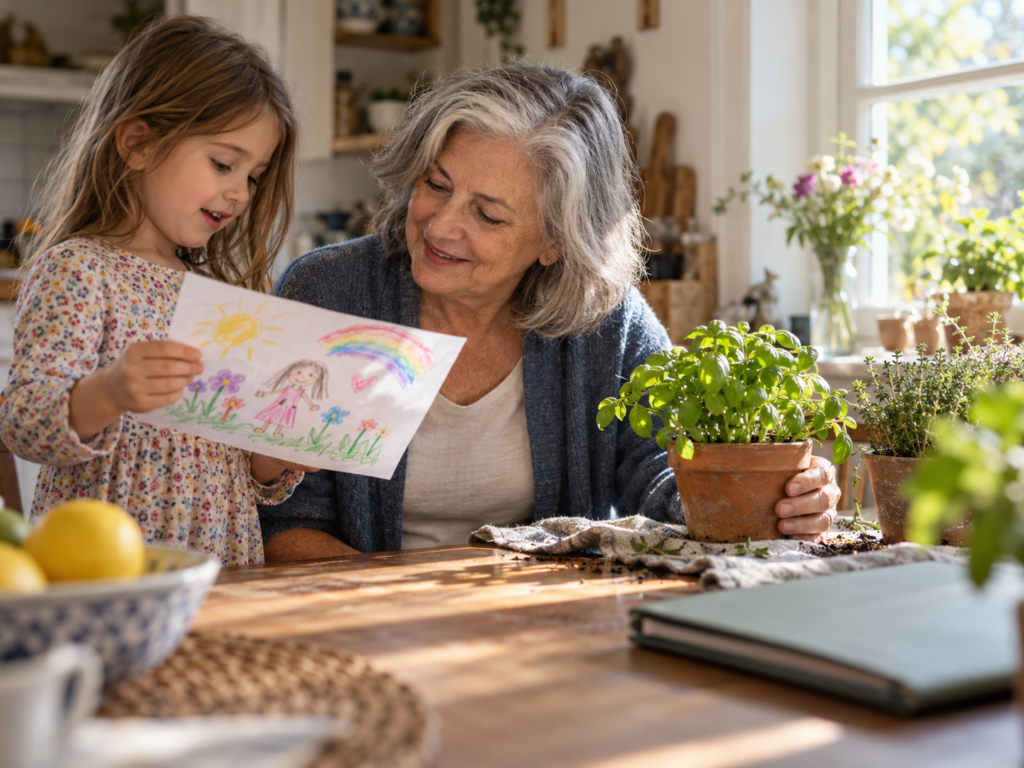
Perhaps you loved gardening but can no longer manage the beds, and a pot of herbs near the window offers a smaller way to remain connected with something you enjoy. Perhaps being a grandparent now means listening to a story over the telephone rather than chasing someone around the yard. These changes can carry real sadness, and a smaller activity does not erase the loss of a larger one, but it may give a valued part of your life somewhere to continue. You are also allowed to discover new interests or decide that an old role no longer fits. There is no obligation to become exactly who you were before your diagnosis, especially when your circumstances have changed.
I would encourage you to let the people who care about you know how they can help you feel more like yourself, whether that means talking about something other than symptoms, bringing over a favorite meal, or simply sitting beside you without expecting an inspiring conversation. There will be days when managing illness uses all the energy you have, and your worth does not diminish because you cannot garden, create, entertain, or reassure anyone. Nor does belonging to a community of people with the same condition make you any less individual; being understood can become an important part of finding your way.
These are reflections on living rather than medical instructions, and your own doctor should guide decisions about your care. What I hope you will remember is that you do not have to earn your place in the world through recovery, usefulness, or a cheerful attitude. You deserve to be known in all your complexity, with your changing abilities, your familiar loves, and your unfinished questions, because there is still a person here whose life matters today.
Leave a Reply