

Hello, lovely you.
This is the fifth post in our eight-part series on the spiritual lessons that shape the life you dream of.
I didn’t realize how tightly I had built my identity around being the one who could handle things until I couldn’t anymore. Before cancer, I was steady in a way that looked admirable from the outside. I showed up, followed through, and kept things moving. If something needed to be done, I did it. If someone needed support, I offered it. And if I needed something? I found a way to make it smaller, quieter, and easier to ignore.
That pattern worked for a long time. It even felt good, in a certain way. There is a kind of control in being the capable one, a sense that as long as you stay ahead of things, you won’t have to feel the parts of life that are harder to hold.
Then I got sick, and that structure started to fall apart in ways I couldn’t manage or outthink.
There’s a specific afternoon I still come back to. I was standing in my kitchen, not doing anything particularly dramatic, just looking at a counter that had gotten away from me. A few dishes in the sink, unopened mail, a general sense of things piling up in a way that felt unfamiliar. I remember thinking, this shouldn’t be that hard. It’s just a kitchen. But it wasn’t about the kitchen. It was the realization that I didn’t have the energy to take care of something I would have handled without thinking before.
Earlier that day, someone had reached out and asked if they could bring over dinner. It was a kind offer, the kind I had made for other people countless times. My first instinct was immediate and almost rehearsed. “I’m okay, but thank you.”
There was a moment, small but unmistakable, where I felt the truth of it in my body. Not a dramatic realization, not fear, just a quiet recognition that I wasn’t okay in the way I was pretending to be. I didn’t have this handled, not fully, and pretending I did wasn’t actually helping me anymore.
Saying yes, which I ultimately did, felt strangely vulnerable, much more than I expected. It wasn’t just about accepting a meal, it was about letting someone see that I needed something, that I couldn’t do it all on my own.
When they arrived, I remember noticing small details I would have overlooked before. The way the bag was warm when I took it from their hands, the smell of the food before I even set it down, the simple kindness of someone showing up without asking for anything in return. I thanked them, closed the door, and stood there for a minute longer than necessary, holding something that felt like more than just dinner.
I cried. Something in me had softened in a way I hadn’t allowed in a long time. It felt like relief, mixed with a kind of grief I didn’t have language for yet.
That moment didn’t transform me overnight. I still resisted help in other ways. I still caught myself minimizing what I needed or rushing to reassure people that I was fine. But something had shifted. I had felt what it was like to let someone in, even in a small way, and I couldn’t quite go back to pretending I didn’t need that.
Over time, I started to notice how much energy I had been spending maintaining the idea that I could do everything on my own. Not just physically, but emotionally too. It takes effort to keep people at a distance, to filter what you share, to constantly position yourself as the one who has it handled.
Receiving, I realized, wasn’t about giving up strength – it was about allowing connection to exist where I had been holding it back.
That doesn’t mean it became easy. There were still moments where accepting help felt uncomfortable, where I had the urge to pull back or say no out of habit. But I began to see that discomfort as part of the process, not a sign that I was doing something wrong.
If receiving is something you struggle with, you don’t have to approach it in a big, sweeping way. In fact, it’s better if you don’t.
Start with Something Small
You don’t need to overhaul how you relate to people overnight. Look for one moment where you would normally decline help and consider what it might feel like to accept it instead. It could be something as simple as letting someone pick something up for you, or saying yes when a friend offers to listen. The point isn’t the size of the gesture, it’s the willingness to experience receiving without immediately shutting it down.
Pay Attention to Your Automatic Responses
There’s often a reflex to say “I’m fine” before you’ve even checked in with yourself. It happens quickly, almost without thought. The next time you notice it, see if you can pause for a second longer than usual. You don’t have to suddenly share everything that’s going on, but giving yourself a moment to register what’s actually true can begin to loosen that pattern.
Let it Feel Uncomfortable
One of the reasons receiving can be so difficult is because it doesn’t match the identity you’ve built. If you’re used to being the one who gives, being on the other side of that can feel awkward or even undeserved. That doesn’t mean it’s wrong – it just means it’s new. You don’t have to wait until it feels natural to allow it.
Notice When You Minimize Your Needs
There’s a tendency to soften what you ask for, to make it seem less important so it feels more acceptable. You might hear it in the way you say things like, “I mean, it’s not a big deal, but could you maybe help me with this if you have time,” or “I can probably figure it out, I just thought I’d ask.” I used to do that constantly, wrapping even the simplest request in layers of reassurance so the other person wouldn’t feel burdened. It sounds polite on the surface, but underneath it, you’re quietly telling both of you that what you need isn’t fully valid.
Try, just once, asking without doing that. Say the thing clearly, without wrapping it in explanations. It can feel exposing, but it also creates a different kind of honesty in your relationships.
Allow People to Show up Imperfectly
Not everyone will know how to support you in the way you need, and that can be frustrating. Some people will miss the mark entirely, while others will offer help that surprises you. Receiving isn’t about controlling how it happens or making sure it looks a certain way. It’s about staying open enough to let support reach you, even if it doesn’t arrive perfectly.
This lesson sits right in the middle of everything else we’ve been talking about in this series, whether you realize it yet or not. You can have clarity about the life you want, you can do the work to shift your habits and your thinking, but if you’re still trying to carry it all alone, there will always be a quiet ceiling on how much you actually allow in.
The life you’re trying to build isn’t meant to be managed in isolation. It asks for support, for connection, for moments where you let yourself be supported in ways that don’t look impressive. Over time, that willingness to receive starts to change what your life can actually hold.
Prue
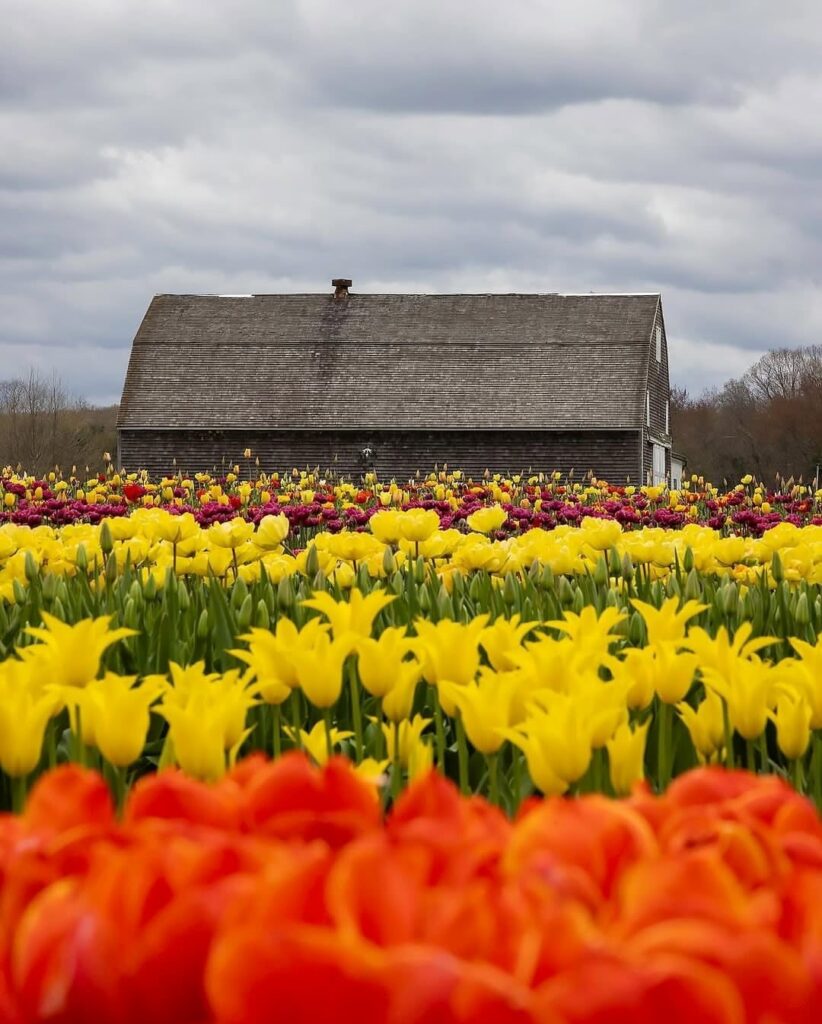
New England Tulip Heaven – Photo Attribute: https://www.facebook.com/ryanzippphoto